Audio Meditations- Guided Meditation Tools
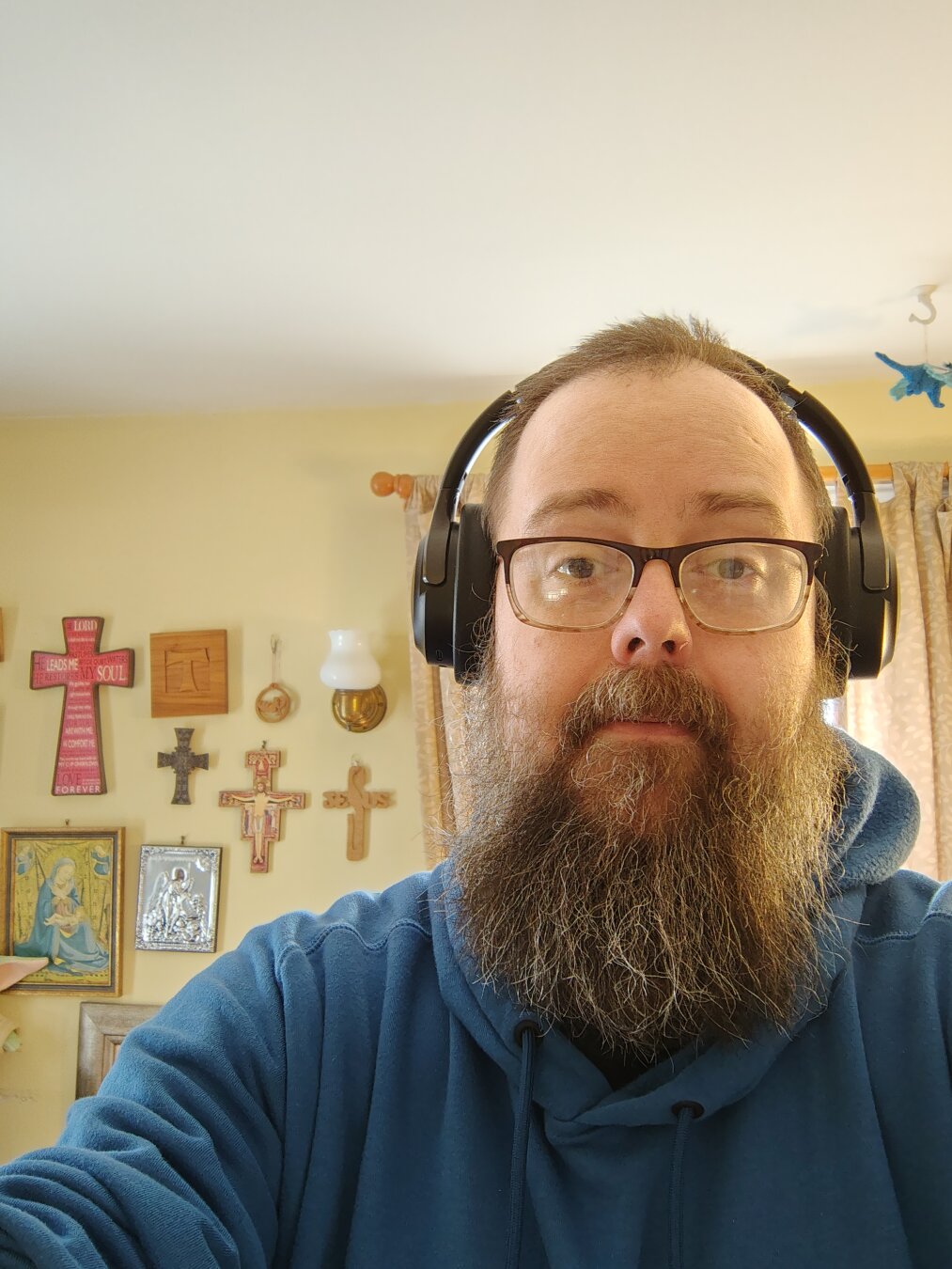
Last week I wrote encountering music, singing along, and even quiet reflection while listening as a form of prayer and practice. This week I want to continue that thread with the idea of using headphones to listen to guided meditations through an app or website. There are many of these tools available, some specifically religious in tone, others more secular, and some a mix of those two modes. I have found both for myself and for many of the people I work with, finding deep silence and stillness in the midst of a busy day is hard.
On vacation, or on retreat, or even while we are traveling long distance often creates enough distance from the noise of our daily environment to pause and be reflective. There can even be moments of genuine presence and simply consenting to the power of that moment. At home, at work, in the throes of our daily obligations, it can be hard to create that moment of pause and just be.
There are a lot of sites and tools, some of which only really function with a paid subscription, others of which are free, and still others that offer a pay-what-you-can donation model. I haven’t tried or vetted every one of these tools, but I will offer a starting list for you to explore, and then I’ll speak about three that I do use with some regularity.
I offer these tools with the caveat of my learning from David A Treleaven, author of Trauma-Sensitive Mindfulness, that meditation is not a substitute for comprehensive mental health care,and that for people with histories of trauma and complex trauma, silent meditation can actually exacerbate symptoms of traumatic recall. There are a lot of wonderful adaptations in the book, and I’d recommend you review them with your therapist or psychiatrist as well as any meditation instructor you work with.
Headspace
Anchored for the most part in a Buddhist mindfulness framework, Headspace is a great tool for beginners learning how to meditate. There are so many exercises to try, from brief reflections for particular times of day, to breathing practices, and semi-guided periods of silent meditation as well. I have been using headspace off and on for about four years now thanks to a subscription that my employer has provided. I enjoy the short form recordings and videos, the breath-work, and even some of the guided meditations, though I have found things like topical webinars, multi-week courses, and the mood trackers less useful for my own practice.
Pray as You Go
This tool is offered by the Jesuit outreach ministry (cue religious order trope joke here) in the United Kingdom. Pray as You Go offers daily audio meditations that include sacred music, lectio divina or sacred reading where we listen to scripture in a prayerful and heartful way, and Ignatian imagination exercises where we are invited to use silent pauses to enter the story, relate to various characters and settings, and explore the passage “from the inside”. After a period of such reflection, the passage is read again, now illumined with our wondering, followed by a time of prayer and intercession for what has arisen during the meditation. The content changes daily, with the addition of an examination of consciousness on Saturday to shift to mode of practice reflection on the week’s prayers.
Centering Prayer
Offered by the good folks at Contemplative Outreach, the Centering Prayer app offers a simple way to engage in this very old practice that dates back to The Cloud of Unknowing, and was revived in the 1970’s and taught by Christian monastics like Thomas Keating and M. Basil Pennington.
The app provides the guidelines, an opening prayer to read, a gentle sound to help us relax into the silence, a timer for the silence, and a gentle sound to welcome us back. Afterwards there is a spot for a short closing prayer. This is minimally guided meditation, as the majority of the time is spent in silence, being heartfully open to what arises, while clinging to none of it. The mind and any thoughts are put compassionately to rest with the soft recall of a single sacred word that is an expression of consent to be in the presence of God. the cadence recommended for this particular practice is a morning and an evening session.
These three are a small but mighty sampling of the tools available for ways to pray with your headphones on. I appreciate the way that they help to muffle the sound of the environment for a moment or two, giving me the gracious pause that helps my practice to really breathe deep.
Be gentle with yourself, you are worth it.
Peace and Everything Good,
The Rev. JM Longworth, OEF Spiritual Direction and Trauma Care
https://www.sdicompanions.org/sdi-profile/GreenMtFriarOEF/ To book an appointment: https://calendly.com/greenmtfriaroef